
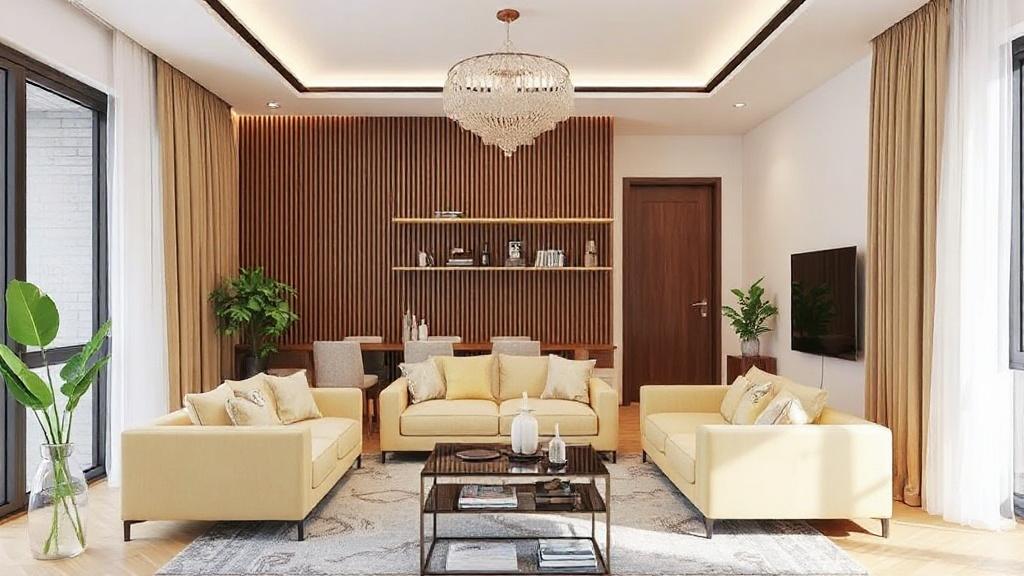
Decorating a space you call home is less about chasing the latest trend and more about crafting a living environment that mirrors who you are. The right style should feel inevitable, like it was waiting for you to discover it in a magazine, a friend’s photo gallery, or even in a corner of a room you already love. If you’re staring at blank walls and a dozen Pinterest boards, you’re not alone. The trick is to move from scattered impressions to a clear, liveable plan. In this guide, we’ll walk through practical steps, real-life examples, and honest considerations to help you answer the core question: how to choose an interior style for your own apartment? Along the way, you’ll see how a single phrase—Jak wybrać styl wnętrza do własnego mieszkania?—can spark a thoughtful process rather than a rushed makeover. It’s meant to be a starting point, not a decree.
Start with your daily life: space, light, and rhythm
Your apartment isn’t a showroom. It’s the stage for your routines, quirks, and little rituals. The first step is to observe how the sun travels through your rooms, where you spend most of your time, and how you move between zones. Do you work from a laptop on the kitchen island, or do you need a quiet corner for writing? Is your living room a showroom for guests, or a cozy retreat for evenings in with a book?
Begin with a simple audit. Jot down how you actually use each space during a typical weekday and a weekend day. Note the sources of natural light at different times of day, the noise levels from outside or from neighbors, and the way colors look in morning versus evening. This isn’t about setting in stone; it’s about revealing your patterns so your chosen style accommodates them, not fights them.
From inspiration to a practical blueprint
Mood boards are more than collage therapy. They’re a compact rehearsal for your future home. Collect images, textures, and color swatches that resonate, but avoid letting a mood board turn into a shopping list for every trendy item you encounter. The goal is coherence, not clutter. Start by selecting a few anchor ideas—one dominant color family, one material vibe (wood, metal, textiles), and one lighting mood (warm, cool, mixed).
To stay grounded, translate those ideas into a rough blueprint. Sketch floor plans or use a simple digital tool to map out furniture placement, traffic flow, and the way light interacts in each zone. This gives you a tangible target to test against. If a layout feels cramped, you’re not committing to a style—you’re refining your space so a chosen style can breathe.
Who are you, really? How personal taste shapes style
<p Style isn’t a costume you put on for guests. It’s a reflection of memory, comfort, and taste. Some people crave the calm of a minimalist aesthetic, where fewer objects invite mindfulness. Others want the warmth of a curated collection, where textiles, heirlooms, and color stories tell a narrative. The important thing is to separate “I like this look” from “I can live with it.” The difference matters when your routine changes, your budget shifts, or your life grows to include new hobbies and visitors.
Consider making a list of “non-negotiables” and “nice-to-haves.” Non-negotiables might be a durable kitchen countertop for meals with friends, or a wall space large enough for a statement piece. Nice-to-haves could be a velvet sofa you adore or a dramatic ceiling light. When you know what you must have, you can test styles against those requirements instead of chasing every new trend you see online.
Color, texture, and material: speaking in a sensory language
Color is less about choosing a shade and more about creating mood. A cool palette can make a small space feel airier; warm tones tend to feel inviting and intimate. Texture matters just as much as color: a woven rug, a rough concrete wall, a smooth lacquered cabinet, linen drapes that catch a breeze. The mix of materials communicates your style without shouting. When in doubt, start with three core elements—one color family, one dominant material, and one contrasting accent—to keep the space cohesive but not monochrome.
Texture adds depth in a way paint alone cannot. If you’re leaning toward a modern aesthetic, consider pairing metal fixtures with natural fibers to soften the edge. If bohemian appeals, layer textiles with varied patterns, but keep a neutral backbone to prevent overwhelm. The trick is consistency—repeating a handful of textures in different rooms creates a sense of unity as you move from space to space.
Understanding popular styles without getting trapped in labels
Styles are useful signposts, but they’re not cages. Here’s a quick, practical snapshot of common approaches, described in human terms, so you can recognize what resonates when you see it in a photo or a showroom.
- Modern: clean lines, functional furniture, and a restrained color palette. Materials like glass, steel, and wood with a crisp, uncluttered look.
- Scandinavian: light-filled spaces, soft textures, and a mix of form and function. Gentle colors paired with natural materials.
- Industrial: raw surfaces, exposed pipes or brick, metal accents, and a confident sense of imperfection.
- Minimalist with warmth: pared-down forms that feel calm, but layered with tactile textiles to avoid stiffness.
- Traditional with contemporary twists: classic silhouettes updated with current fabrics and finishes for a comfortable, timeless vibe.
- Bohemian: an exuberant collage of patterns, plants, textiles, and personal artifacts that tell your travel and life story.
None of these are mandatory. The right path for you might blend elements from several styles or evolve as your tastes change. The point is to be able to recognize what speaks to you and then shape it into a practical plan for your space.
Practical guidelines to test a style in your space
Brands and magazines can tempt you with perfect rooms, but real rooms are different: light changes, furniture arrives, and you discover what actually fits. Here are practical methods to pilot a style before committing.
- Build a 3-piece test: a sofa, a rug, and a lighting fixture in your target style. Experience how they feel in your space for a week or two before buying more.
- Vary fabric swatches and finishes under different lighting. A color can morph dramatically from daylight to incandescent glow.
- Create small, temporary vignettes on shelves or coffee tables. Move them around like you would with a gallery wall before deciding what becomes permanent.
- Ask a friend to inhabit the room for a few hours. Fresh eyes can point out awkward traffic patterns or visual clutters you’ve learned to overlook.
By testing and shifting, you’ll avoid the common trap of buying into a look that doesn’t adapt to your life. You’ll also discover that you don’t need a complete turn into a new style to achieve a refreshed, personal space. It’s often the small, thoughtful changes that yield the biggest payoff.
Texture, lighting, and scale: details that make or break a look
Details matter more than you might expect. A single oversized art piece or a carefully chosen rug can anchor a room far more effectively than a wall of decor. When your walls are neutral, you can feel free to experiment with color through cushions, throw blankets, and artwork. If you’re drawn to bold color, balance it with lighter furniture and plenty of negative space so the room doesn’t feel crowded.
Lighting is one of the most powerful stylistic tools you have. A harsh overhead fixture can ruin the mood of a well-planned palette. Instead, mix sources—table lamps for intimacy, floor lamps for zone lighting, and a statement ceiling fixture to set the tone. Great lighting doesn’t just illuminate; it frames your style and highlights the textures you chose to love.
A practical look at styles through a simple table
| Style | Typical palette | Materials | Visual vibe |
|---|---|---|---|
| Modern | Crisp neutrals with occasional bold accent | Glass, metal, lacquer | Clean, functional, uncluttered |
| Scandinavian | Light, airy tones; natural whites | Wood, wool, linen | Bright, cozy, practical |
| Industrial | Dark metals with raw textures | Brick, concrete, steel | Urban, bold, rough-edged |
| Bohemian | Warm, saturated colors | Textiles, ceramics, wood | Eclectic, saturated, personal |
| Traditional with a twist | Rich tones, classic neutrals | Wood, velvet, brass | Timeless, comfortable, layered |
How to pair your budget with your chosen direction
Budget is not a constraint that should imprison your taste; it’s a compass that helps you allocate resources where they matter most. Start by listing essential items first: sofa, bed, dining table, storage. Then identify upgrade opportunities: a statement lighting piece, a high-quality rug, or art that anchors a space. If you’re aiming for a tailored look on a modest budget, invest in a few high-impact pieces and keep the rest adaptable—likewise, affordable textiles and decor can dramatically alter the atmosphere without breaking the bank.
An approach that pays off is prioritization by room function. The living room often benefits from a comforting foundation: a durable sofa, a welcoming coffee table, reliable lighting. The bedroom can lean into texture and soft lighting for a retreat-like feel. The kitchen, meanwhile, becomes a stage for materials you love to touch and use daily—countertops, backsplashes, and storage that feel both practical and stylish. With clear priorities, you can make smarter buys and avoid impulse purchases that dilute your chosen style.
Personal stories: turning a concept into real space
Let me share a couple of experiences from people I’ve worked with. One set out to create a minimalist apartment with warmth. We started with a large, plush sofa in a neutral fabric, paired with a few sculptural lamps and a rug that carried a subtle pattern. The magic happened when we layered textures—woven throws, a leather ottoman, and matte wood accents. The result wasn’t a sterile box, but a serene home that invited casual living and weekend guest nights.
A different client wanted a bold, eclectic loft that still felt cohesive. We built a color story around deep blues and warm terracotta accents. We mixed vintage finds with new pieces, but we anchored the look with a solid wood dining set and high-contrast metal lighting. The key was restraint: a few statement pieces and many quiet ones to keep the space from shouting at itself. When you see their apartment today, you feel personality more than a catalog image—and that, to me, is the most persuasive argument for choosing a style that fits you rather than one you think you should like.
When you should consider a designer versus DIY confidence
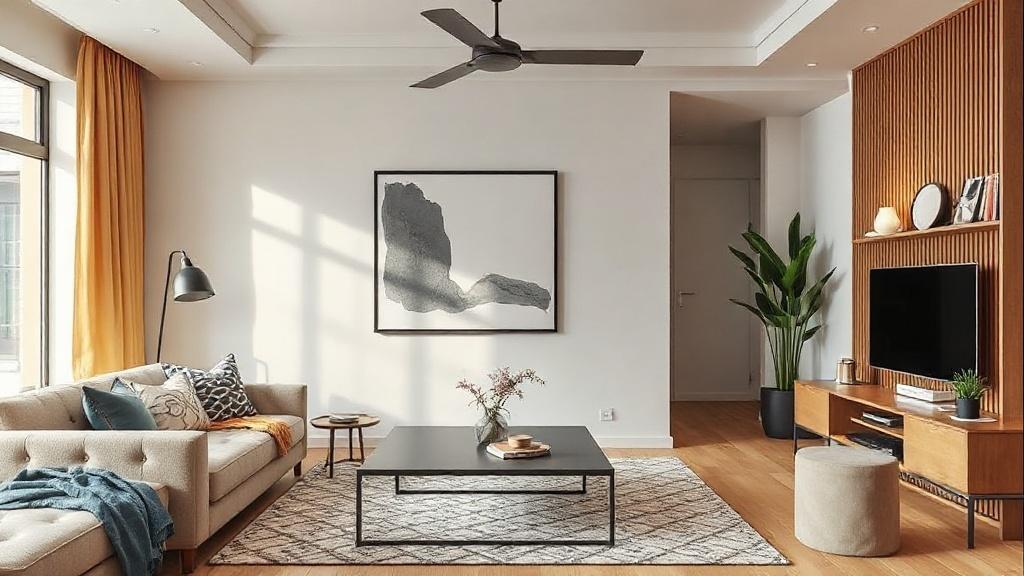
The decision to hire a designer isn’t about wealth; it’s about bandwidth and clarity. If your life is busy, or you’re juggling remodeling permits or complex spatial constraints, a designer can compress months of trial and error into a few focused sessions. A designer can also help translate your inspirations into workable plans, coordinate procurement, and ensure the space is cohesive from one room to the next.
If you prefer a DIY approach, set a clear scope and a realistic timeline. Work in small phases, so you can celebrate progress and course-correct without feeling overwhelmed. There’s real satisfaction in learning your own taste through iteration, and you’ll typically discover new ways to make the space feel personal without overspending.
How to avoid common decorating traps
There are a few pitfalls that sap energy from a space before you even finish decorating. One is chasing trends at the expense of comfort. You might own a perfectly styled room that you don’t actually want to spend time in. Another trap is buying too much furniture at once, which crowds rooms and makes light feel heavy. And finally, neglecting scale—oversized sofas in small rooms or tiny coffee tables in large living areas—can ruin balance even when you love every piece separately.
To counter these, practice “one-in, one-out” moderation, measure twice before new purchases, and preview items in your space for a week before committing. A camera trick can help you see scale more clearly: photograph a room at eye level to spot mismatched sizes or too-tall lamps. If it feels off in a photo, it will likely feel off in real life.
Creating a living language: storytelling through spaces
A home tells a story not through slogans but through textures, lines, and light. The most successful interiors don’t imitate a magazine; they translate a life. Think of each room as a paragraph in a larger narrative. The kitchen has its own rhythm—practical, tactile, warm. The living room is the heart’s dialogue with light. The bedrooms offer quiet moments, a respite from the day’s noise. When you allow your life to guide the mood, the style breathes naturally rather than feeling manufactured.
In practice, this means listening to what makes you relaxed, how you entertain, and what you gather: an heirloom vase from a grandmother, a photo from a favorite trip, a DIY project that sparked joy. These pieces become anchors for your style, not afterthoughts. The more you let your personal narrative shape the space, the more the phrase Jak wybrać styl wnętrza do własnego mieszkania? becomes a process of discovery rather than a rulebook.
Step-by-step plan to start today
Here’s a concise, repeatable plan you can run through over a long weekend to kickstart your project. Each step is designed to move you from impression to implementation with confidence.
- Survey and map: Take measurements, photograph lighting at different times, and sketch a simple floor plan that highlights traffic flow and functional zones.
- Define your anchors: Choose 1-2 core colors, 1 dominant material, and 1 textural element you want to emphasize.
- Test in place: Bring in a few accessible, budget-friendly accents in your target palette and materials. Live with them for a week.
- Source selectively: Start with a single statement piece—a sofa, rug, or lighting fixture—that will set the tone for the space.
- Refine and expand: Add smaller items that support the main piece, ensuring shapes, textures, and colors relate to your anchors.
- Document your progress: Keep a simple board or digital notes to compare rooms and ensure consistency across spaces.
Completing this cycle several times will give you a sense of momentum. Even small, deliberate choices can start a chain reaction that crystallizes your interior style with practical elegance.
Turning your style into a living, breathing home
Ideally, your apartment should adapt as life changes—new job, new hobbies, guests who stay longer, or a growing family. A flexible approach to style means choosing durable foundations and adaptable details. For instance, a sofa with a classic silhouette can support evolving tastes when you switch up cushions and throws. A versatile lighting plan can be updated with seasonal fixtures without a full redo. When your style feels resilient, Jak wybrać styl wnętrza do własnego mieszkania? becomes less about confining rules and more about evolving comfort and function.
Consider a “style library”: a small collection of textiles, paint swatches, and finish samples that you rotate as your mood shifts. This keeps you engaged with your space without committing to a permanent overhaul each time you discover a new trend. The most satisfying interior journeys don’t end with a single look—they continue as you live in the space, grow with it, and surprise yourself with the finishes you find most comforting.
Final reflections: starting with intention, finishing with personality
Choosing an interior style for your own apartment isn’t about a single master plan or a perfect mood board. It’s about aligning intention with daily life, finding balance between beauty and practicality, and letting your space grow with you. It’s normal for tastes to evolve; what matters is that your environment welcomes you home every day. When you approach the task with curiosity and patience, you’ll see the space reveal its own quiet confidence, one piece at a time.
If you’re wondering how to begin, start with the simplest question you can ask yourself today: what do I want to feel when I walk through the door? If the answer is calm, energized, or inspired, that feeling is a powerful compass. You don’t need permission to follow it. You just need to start.
For anyone who’s faced with the phrase Jak wybrać styl wnętrza do własnego mieszkania? and felt overwhelmed by options, remember this: there’s no universal blueprint. Your home is a living project, a reflection of your life, and a space where you get to write the narrative with your own hands. The journey from inspiration to room-to-room coherence is not a sprint; it’s a steady, satisfying process of discovery, adjustment, and, above all, home.


